Pothos Yellow Leaves: Diagnose and Fix the Cause
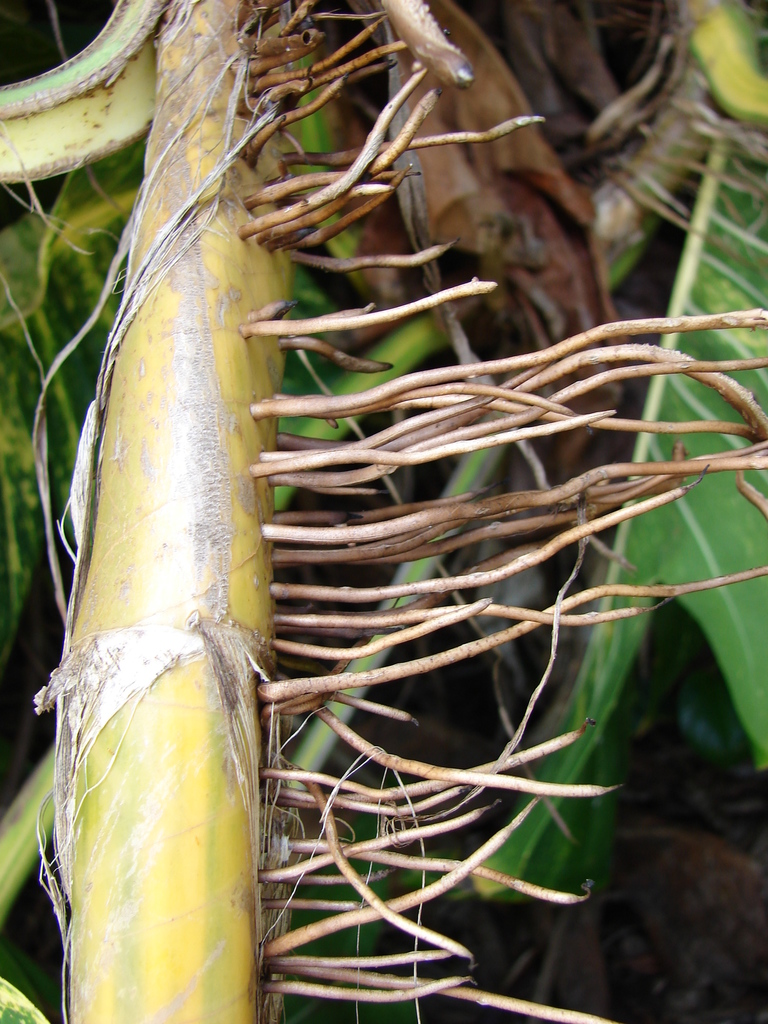
Pothos yellow leaves are most often caused by watering mistakes. Check the texture of the affected foliage first. Soft, spongy, or mushy leaves indicate overwatering. Overwatering creates excess moisture that invites root rot pathogens, turning roots black and slimy. Crispy, dry leaves signal underwatering and stress. One or two yellowing lower leaves with strong new growth is normal aging. Widespread yellowing signals a problem requiring immediate attention. Fix the issue by adjusting watering, checking for pests, or moving the plant to bright indirect light. Fully yellowed leaves will not turn green again. Your pothos will produce healthy new growth once the underlying cause is resolved.
Quick Diagnostic: Is Your Yellow Leaf Normal or a Problem?
You already know that texture tells the story. Now look at the scope. A single yellow leaf near the bottom of the vine is usually just the plant recycling nutrients. This is natural aging. The leaf dies off while the rest of the plant pushes out fresh green growth. You can leave it or trim it for aesthetics. It is not an emergency.
Widespread yellowing is different. When multiple leaves turn yellow at once, your pothos is signaling distress. Investigate the specific causes below to find the source of the stress.
Check the roots if unsure. If the soil is wet but the leaves are crispy, you might have root rot preventing water uptake. If the soil is bone dry and the leaves are crispy, you simply need to water. Context matters.
The Top Causes of Yellow Pothos Leaves
You have already checked the texture of the leaves. Now you need to pinpoint the exact source of the stress. Watering errors remain the primary culprit for pothos decline. Understanding the specific mechanics of overwatering, underwatering, and root rot will help you intervene correctly.
Overwatering: The Silent Killer
Overwatering is the most frequent cause of yellow foliage. It is not just about how often you water. It is about how much water the soil retains. When soil stays wet for too long, oxygen cannot reach the roots. The roots suffocate and begin to break down. This process leads to the soft, spongy leaves you identified earlier.
Look for additional signs beyond the yellow color. The leaves may appear wilted despite the wet soil. Brown spots often appear on the yellowing tissue. The stems may feel mushy or weak when you gently squeeze them. If the soil feels cold and heavy, you are likely holding too much water.
Fix this by stopping all watering immediately. Let the soil dry out completely. Check the drainage holes in your pot. Ensure water flows freely out of the bottom. If the soil is compacted, consider loosening the top layer to improve aeration. Switch to a well-draining potting mix if the current soil holds water like a sponge.
Do not water on a strict schedule. Pothos plants tell you when they need water. Wait for the soil to dry and the stems to droop slightly before watering again. Trust the plant, not the calendar.
Underwatering: The Thirsty Plant
Underwatering presents a different set of symptoms. The yellow leaves will be crispy and dry to the touch. They lack the spongy feel of overwatering. The vines will look limp and droopy. The overall color of the plant may appear pale or washed out. The leaves may feel very pliable and bend easily without snapping.
This happens when the plant cannot take up enough moisture to maintain cell structure. The soil is likely bone dry. It may have pulled away from the sides of the pot. The plant is stressed and shutting down non-essential functions to survive.
Rescue an underwatered pothos by giving it a thorough watering. Pour room-temperature water until it drains freely from the bottom. Monitor the soil closely to prevent future dry spells.
Root Rot: A Severe Infection
Root rot is a severe condition often caused by overwatering. Pathogens like Pythium or Fusarium thrive in waterlogged soil. These fungi attack the root system. They turn healthy white roots into black, mushy strands. The roots lose their ability to absorb water and nutrients. This leads to widespread yellowing and mushy stems.
Diagnose root rot by removing the plant from its pot. Gently rinse the soil from the roots. Healthy roots are firm and white or light tan. Rotted roots are black, brown, or gray. They feel slimy and mushy. They may fall apart when you touch them. If you smell a foul odor, the rot is advanced.
- Remove the plant from the pot. Rinse the roots thoroughly with clean water.
- Trim away all rotted roots. Use sterile scissors or pruning shears. Cut until you reach firm, healthy tissue.
- Repot the plant in fresh, well-draining soil. Use a clean pot with drainage holes.
- Reduce watering frequency significantly. Allow the soil to dry out more between waterings.
Act quickly. Root rot can kill the entire plant if left untreated. Removing the infected roots gives the plant a chance to regenerate healthy ones.
Natural Aging: When Not to Worry
Not all yellow leaves signal a problem. Pothos plants naturally age and shed older leaves. This is a normal part of their life cycle. The plant recycles nutrients from the older leaves to support new growth. You will typically see one or two lower leaves yellowing at a time. The rest of the plant remains healthy. New growth continues to emerge strong and green.
If only the bottom leaves are affected, you can ignore the issue. You can also trim the yellow leaves for aesthetics. This keeps the plant looking tidy. It does not harm the plant. Focus your attention on the new growth. If the new leaves are green and firm, the plant is thriving.
Widespread yellowing is different. If many leaves turn yellow at once, the plant is stressed. This is not natural aging. Investigate the causes listed above. Natural aging is localized. Stress is systemic.
Less Common Causes
You have ruled out watering errors and natural aging. If the yellowing persists, look at the root system. A root-bound plant struggles to absorb resources. Check the drainage holes. If roots are poking out or the root ball is densely wrapped, the plant is competing for water and nutrients. This stress manifests as yellow leaves. Repotting into a larger container with fresh soil resolves the issue.
Check your water source. Tap water often contains chlorine and fluoride. These chemicals accumulate in the soil over time and harm pothos. Switch to filtered or rainwater to prevent chemical buildup.
Nutrient imbalances also cause discoloration. A nitrogen deficiency leads to pale, yellowing foliage. Conversely, over-fertilization creates a salt buildup that burns roots. Both scenarios result in yellow leaves. If you have not fed the plant in months, a balanced fertilizer may help. If you fertilize frequently, flush the soil with water to remove excess salts.
Pests feed on plant sap and weaken the foliage. Spider mites, mealybugs, and scale insects are common culprits. Inspect the undersides of leaves for tiny webs, white cottony masses, or sticky residue. Treat infestations immediately to stop the spread.
Pothos thrive in stable temperatures between 60-85°F (15-29°C). Cold drafts or sudden temperature changes cause stress. Keep the plant away from air conditioning vents or leaky windows. Low humidity in winter can also contribute to yellowing. Use a pebble tray to raise local humidity without wetting the soil.
How to Fix Yellow Pothos Leaves Step by Step
You have identified the symptom. Now you need to find the source. Follow this diagnostic flow to isolate the issue and apply the correct fix. Start with your watering habits and work down to the roots.
- Check your watering routine. Review when you last watered. Did you water on a strict schedule regardless of soil moisture? Or did you let the plant dry out completely? Inconsistent watering stresses the plant. The goal is to let the soil dry out between waterings.
- Inspect soil moisture. Check soil moisture before watering. If it feels wet or soggy, you are likely overwatering. If it is bone dry and pulls away from the pot edges, the plant is underwatered. Wet soil with crispy leaves often indicates root rot preventing water uptake.
- Check the roots. Gently remove the plant from its pot. Healthy roots are firm and white or tan. If you see black, mushy, or slimy roots, you have root rot. Look for mushy stems as well. These are signs of advanced decay.
- Assess the light. Ensure the plant receives bright indirect light. Low light slows photosynthesis and leads to general yellowing. Direct sun can scorch leaves. If your space is dark, consider moving the plant or exploring options in our guide on plantatlas__best-indoor-plants-for-low-light.
Do not guess. Use this method for every watering session. First, aerate the soil surface with a chopstick to break up compaction. Pour room-temperature water until it drains freely from the bottom holes. Empty the saucer immediately. Wait for the soil to dry and the stems to droop slightly before watering again. This ensures the roots get oxygen and prevents rot.
If you found black or mushy roots, you must act fast. Root rot will kill the plant if left untreated. Follow these steps to save your pothos.
- Remove the plant. Take the pothos out of its pot. Shake off as much old soil as possible.
- Rinse and trim. Rinse the root ball under lukewarm water to reveal all roots. Use sterilized scissors to trim away every black or mushy root. Cut until you see healthy white tissue. Do not leave any rot behind.
- Repot. Place the plant in a clean pot with fresh, well-draining soil. A mix with perlite or orchid bark works well. Ensure the pot has drainage holes.
- Adjust care. Reduce watering frequency. Keep the soil drier than usual until new growth appears. This allows the root system to recover.
Can Yellow Pothos Leaves Turn Green Again?
The short answer is no. Once a pothos leaf has turned fully yellow, it will not regain its green color. The chlorophyll is gone and the tissue is dying. You cannot reverse this process.
This does not mean your plant is doomed. Pothos are resilient. They will produce fresh, healthy green growth as soon as you resolve the underlying issue. Your focus should shift from saving the old leaf to supporting the new growth.
You might wonder if you should remove the yellow leaves immediately. There is a biological reason to leave them on for a short time. Plants recycle nutrients. As a leaf senesces, the plant pulls valuable nitrogen and other minerals out of the dying tissue and moves them to the growing tips. If you snap off the leaf too soon, you waste those resources.
Let the leaf yellow completely before removing it. This gives the plant time to reclaim nutrients for new growth. Remove the leaf once it is fully yellow or brown to keep the plant looking tidy and to prevent potential mold issues in humid conditions.
Trim the yellow leaf off at the base of the stem once it has finished its job. Use clean scissors to avoid spreading disease. Then focus on the care adjustments needed to keep the new leaves green. If you are dealing with low light issues, check our guide on plantatlas__best-indoor-plants-for-low-light for placement tips.
FAQ
Should I remove yellow leaves? Yes. You can leave them on briefly to allow the plant to recover nutrients, but trim them once they are fully yellow. They will not turn green again. Removing them improves airflow and lets you monitor new growth.
How often should I water pothos? Do not follow a calendar. Water when the soil is dry and the vines begin to droop. This ensures the roots get oxygen between waterings.
Can overwatering kill my pothos? Yes. Excess moisture leads to root rot. This condition destroys the root system and stops water uptake. The plant eventually dies if you do not intervene.
Do pothos need sunlight? They thrive in bright indirect light. Low light slows photosynthesis and causes yellowing. Direct sun can scorch the leaves. If your space is dim, check our guide on plantatlas__best-indoor-plants-for-low-light for better options.